Science for Society: Translating Research into Societal Impact
 © DWIH Tokyo
How can public trust in science be elevated at a moment when scientific authority is challenged global-ly? How can the dialogue between the scientific community and society at large be strengthened? How can the full potential of knowledge and technology transfer be unlocked? Join this international panel discussion by the Leibniz Association, Science Tokyo, and the DWIH Tokyo!
イベント情報
2026年10月7日, 15:30 から 17:30まで
Institute of Science Tokyo, Large Conference Room on the 10th floor of Building West 8, Ookayama Campus
主催者: Leibniz Association, Institute of Science Tokyo, DWIH Tokyo
The Leibniz Association, Science Tokyo, and the DWIH Tokyo are coming together on the Science Tokyo’s Ookayama Campus for a panel discussion on the meaning of “Science for Society.” This panel discussion aims to explore a series of interconnected and urgent questions: How can public trust in science be elevated at a moment when scientific authority is challenged globally? How can the dialogue between the scientific community and society at large be strengthened, ensuring that research remains responsive to the needs and concerns of citizens? How can the full potential of knowledge and technology transfer be unlocked, bridging the gap between discovery and real-world application? And how can Germany and Japan deepen their scientific collaboration in ways that prioritize both intellectual rigor and shared commitment to the common good?
These are not abstract and theoretical debates — they are real challenges facing researchers, policymakers, and citizens—both in Germany and Japan. We invite everyone interested to join us for this international panel discussion.
Program & Speakers
15:30-15:35 Welcome Remarks
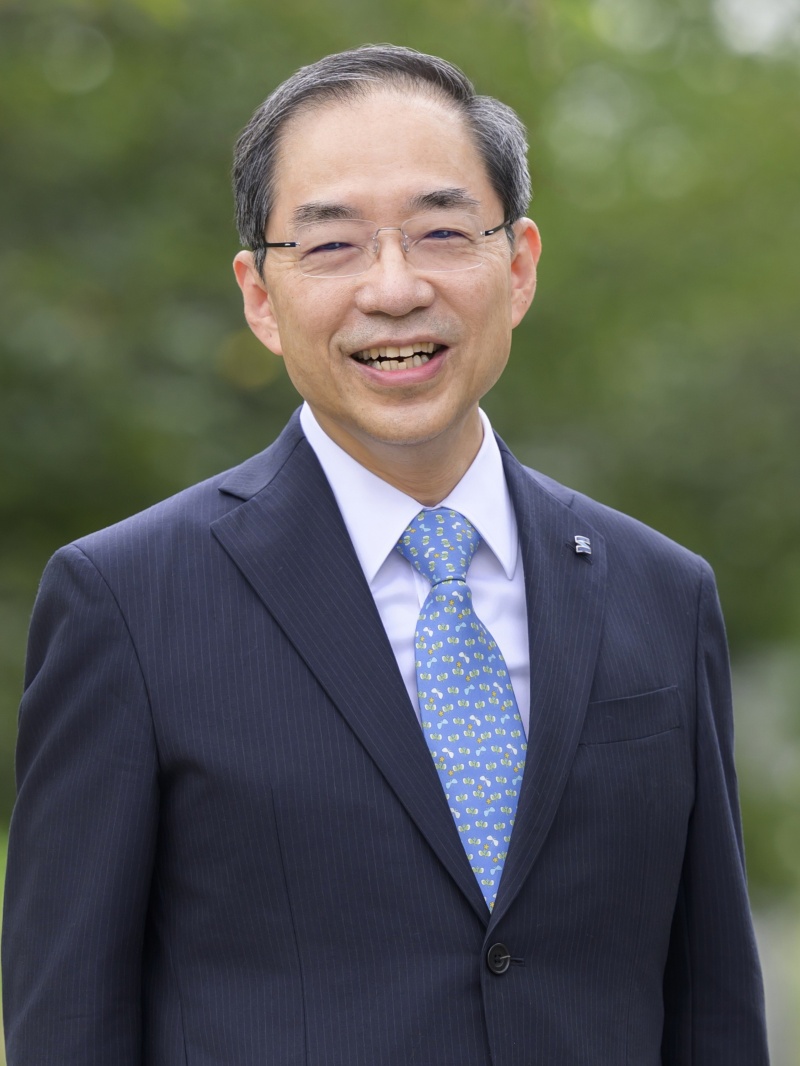
Yujiro Tanaka (田中 雄二郎)
Website
President and Chief Academic Officer
Institute of Science Tokyo
15:35-16:00 Institutional Overviews
 Jun-ichi Takada (高田 潤一)
Website
Executive Vice President for Global Affairs
Institute of Science Tokyo
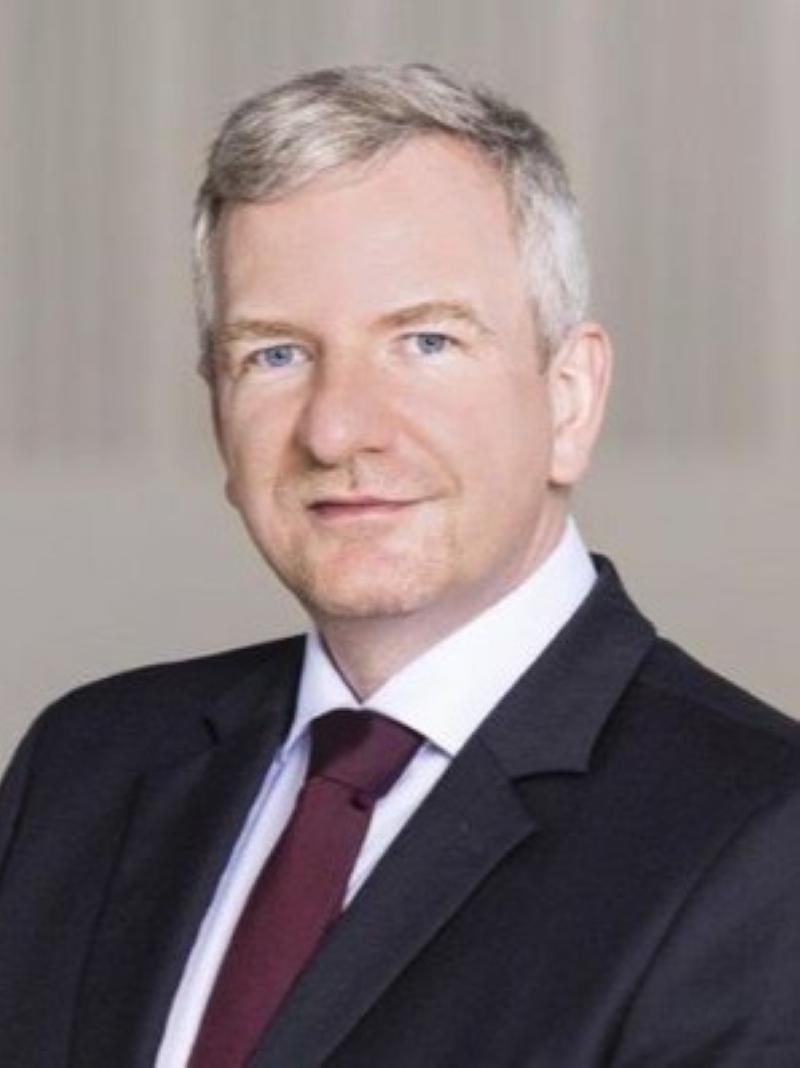 Albert Sickmann
Website
Vice President of the Leibniz Association
16:00 – 17:15 Panel Discussion and Q&A
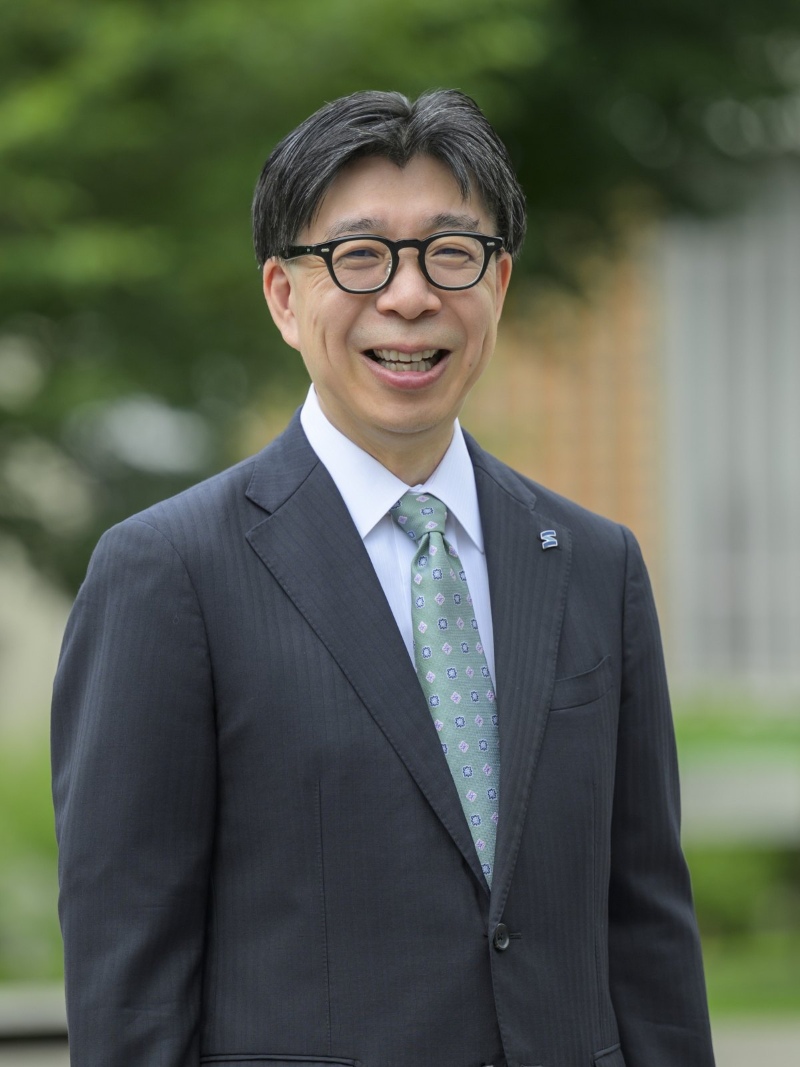
Yotetsu Hayashi (林 揚哲)
Website
Executive Vice President for Research
Institute of Science Tokyo
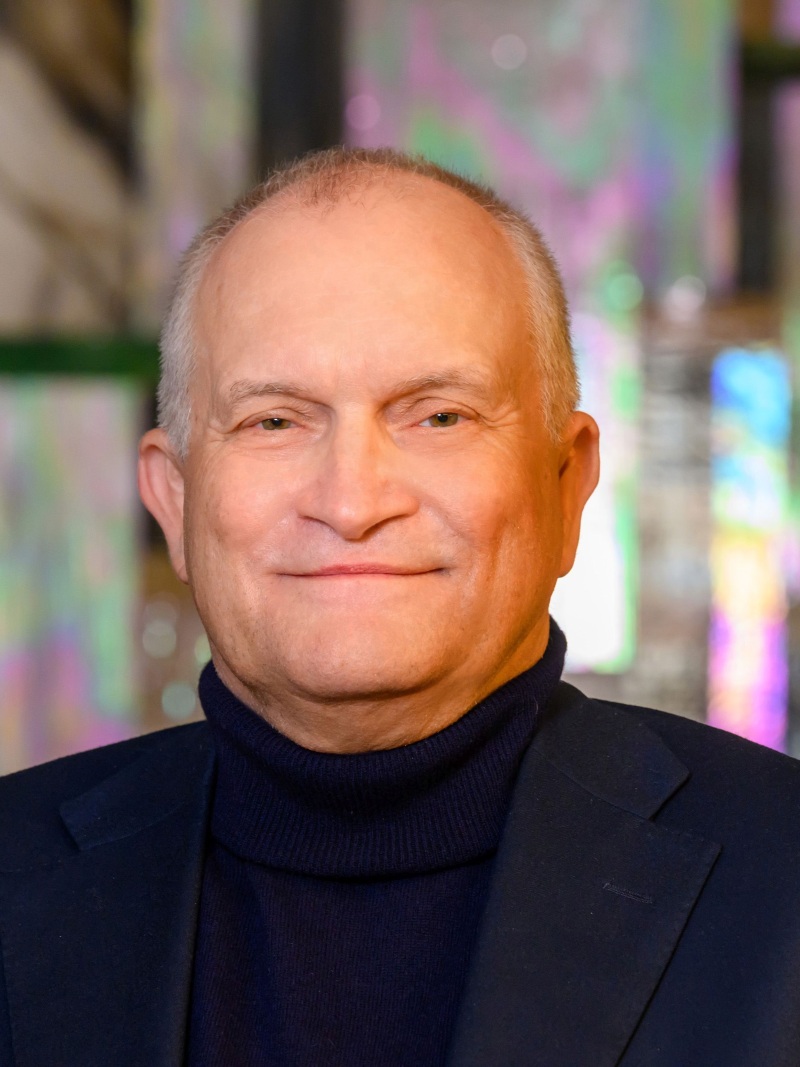 Christoph M. Schmidt
Website / LinkedIn
President of the Leibniz Association
 Mariko McTier
Website / LinkedIn
Social Innovation Japan, Co-Founder & Representative Director
 Chair: Axel Karpenstein
Director of the DWIH Tokyo
17:15 – 17:30 Closing Remarks
 Ewa Adamkiewicz
LinkedIn
International Affairs, Science and Research Management
Leibniz Association
Background
“Science for Society” is the focus topic 2026 of the German Centers for Research and Innovation (DWIH). It is furthermore a topic that functions as an organizing principle for the Leibniz Association and shapes its research agenda, institutional partnerships, communication with policymakers, and its accountability to the public. The Leibniz Association is built on the firm conviction that scientific excellence and meaningful societal impact are not competing priorities, but deeply intertwined imperatives that together define the gold standard of responsible research.
Japan — with its long-standing tradition of curiosity-driven research, technological innovation, and strong commitment to addressing societal challenges — stands as one of the Leibniz Association’s most valued and important international partners. This deep partnership is rooted in a shared conviction that science must serve society, a principle that resonates strongly across both countries and provides a powerful foundation for collaboration beyond borders.
Science Tokyo shares this commitment through its mission to create value with and for society. As a newly established university bringing together strengths in science, engineering, medicine, dentistry, and related fields, Science Tokyo promotes interdisciplinary research, collaboration across sectors, and the implementation of scientific knowledge to address complex societal challenges. Its approach reflects the belief that scientific excellence and societal contribution must go hand in hand, fostering innovation for a better and brighter future.
Organizers
Leibniz Association
The Leibniz Association connects 96 independent research institutions that range in focus from natural, engineering and environmental sciences to economics, spatial and social sciences and the humanities. Leibniz Institutes address issues of social, economic and ecological relevance and conduct both knowledge-driven and applied basic research, maintain scientific infrastructure, and provide research-based services. This unusually wide disciplinary breadth allows the Association to tackle the full complexity of pressing societal challenges.
One of the main strengths of the Leibniz Association is knowledge transfer — including advising and informing representatives of politics, science, business, and the general public in Germany. A special focus is placed on technologically relevant research and active technology transfer: Leibniz Institutes bring innovative developments into targeted application and promote the implementation of new technologies in society through cooperation with business and industry.
The aim is to meet the challenges arising from major societal issues such as the energy transition, digitalization or the aging of society. This collaborative model of the Leibniz Association enhances responsiveness to societal issues, facilitating dynamic interactions between science and society.
https://www.leibniz-gemeinschaft.de/en/
Institute of Science Tokyo
Science Tokyo is a newly established national university in Japan, founded in October 2024 through the merger of Tokyo Medical and Dental University and Tokyo Institute of Technology. Combining strengths in science, engineering, medicine, dentistry, and related interdisciplinary fields, the university advances science and human wellbeing to create value for and with society.
A defining feature of Science Tokyo is its commitment to transcending traditional academic boundaries. Through its cross-disciplinary research framework, including the newly established Visionary Initiatives, the university brings together researchers, industry, and international partners to address complex societal challenges and develop innovative, long-term solutions.
Science Tokyo actively promotes global collaboration through international research networks, researcher exchanges, and partnerships with academia, industry, and society. By combining cutting-edge fundamental research with practical applications, the university contributes to solving real-world challenges in areas such as human health and wellbeing, sustainable societies, and next-generation science and technologies.
DWIH Tokyo
The German Centre for Research and Innovation Tokyo (DWIH Tokyo) is a platform for German universities, research institutions and research-based companies in Japan.
It represents and promotes Germany as a location for science, research and innovation. It supports knowledge exchange between Germany and Japan, and communicates with relevant stakeholders in both countries, thereby creating the preconditions for research cooperation. In doing so, it relies on its research-based supporters in Germany who facilitate and shape the work of DWIH Tokyo on the ground.
DWIH Tokyo is part of a global network of five German Centres for Research and Innovation. Since its establishment in 2010, it has been supported by the German Federal Foreign Office. It has been coordinated by the German Academic Exchange Service (DAAD) since 2017.